Where shingles run into a wall, a dormer or a chimney
Flashing and Chimney Leak Repair in Lyndhurst, NJ
Flashing leaks in Lyndhurst, NJ turn up where a roof runs into something vertical: a dormer wall, a brick chimney, a porch roof against the house. Call (551) 209-3947 and say which wall the stain is near, and a local roofer can arrange a visit to look at the metal and the joints around it.
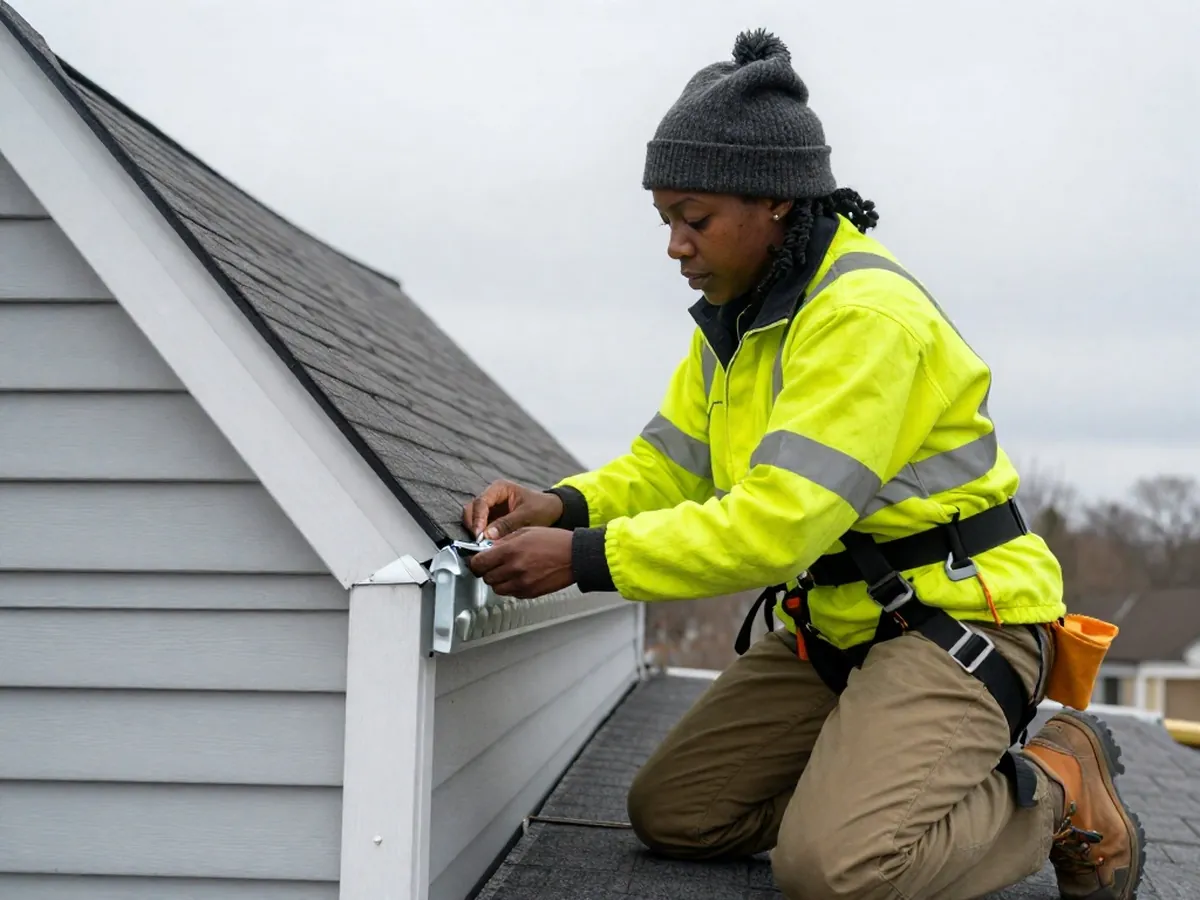
Looks from the ground
Each of these looks is made from the ground or at a window. A ladder, a wet slope or a steep pitch belongs to the roofer.
- From the yard, with binoculars, look along every place the roof meets a wall: dormers, porch roofs, the side of a taller wing, the chimney base.
- Look at the siding or brick directly below each joint for dark streaks or swelling.
- Inside, hold a flashlight low against the ceiling and upper wall nearest the chimney or dormer. A ripple or a faint halo is the first sign.
- Photograph each joint from the ground, with a note of the date and the weather.
Leave it and make the safety call if
- A wire dangles from the house or lies in the yard: keep back, and let 911 or the PSE&G emergency line, 1-800-436-7734, deal with it.
- A chimney tilts, or bricks have slipped or dropped: nobody stands below it, and 911 is the call if the stack seems ready to come down.
- A ceiling bulges with water, or a light fixture is wet: leave that room, and call 911 for any spark or burning smell.
- A frosted, slick or steep roof is no place to inspect metal: stay down. 911 is for a fall that has already happened.
A stain beside the chimney, one to ten
- 8 to 10
a ceiling bulges, a light fixture is wet, or bricks have shifted. Clear the area and make the safety calls above. Call (551) 209-3947 about the roof once everyone is out of the way.
- 4 to 7
a stain that returns with every wind-driven rain, or visible gaps and bent metal at a joint. Photograph from the ground and call (551) 209-3947 before the week is out.
- 1 to 3
a pale stain that looks the same as it did a month ago. Circle it in pencil, date the circle, and call if it spreads.
Three questions about this job
Where does a shingle roof need flashing?
Why can a flashing leak go unnoticed for years?
What does fixing a roof-to-wall leak involve?
Signs this is the job
- A ceiling or upper-wall stain that lines up with a chimney or a dormer
- Siding stained, swollen or peeling just below a roof-to-wall joint
- Metal flashing bent, lifted or pulled loose from the wall
- Cracked sealant or open gaps around a chimney base or a vent pipe
- A leak that appears only when rain blows in from one direction
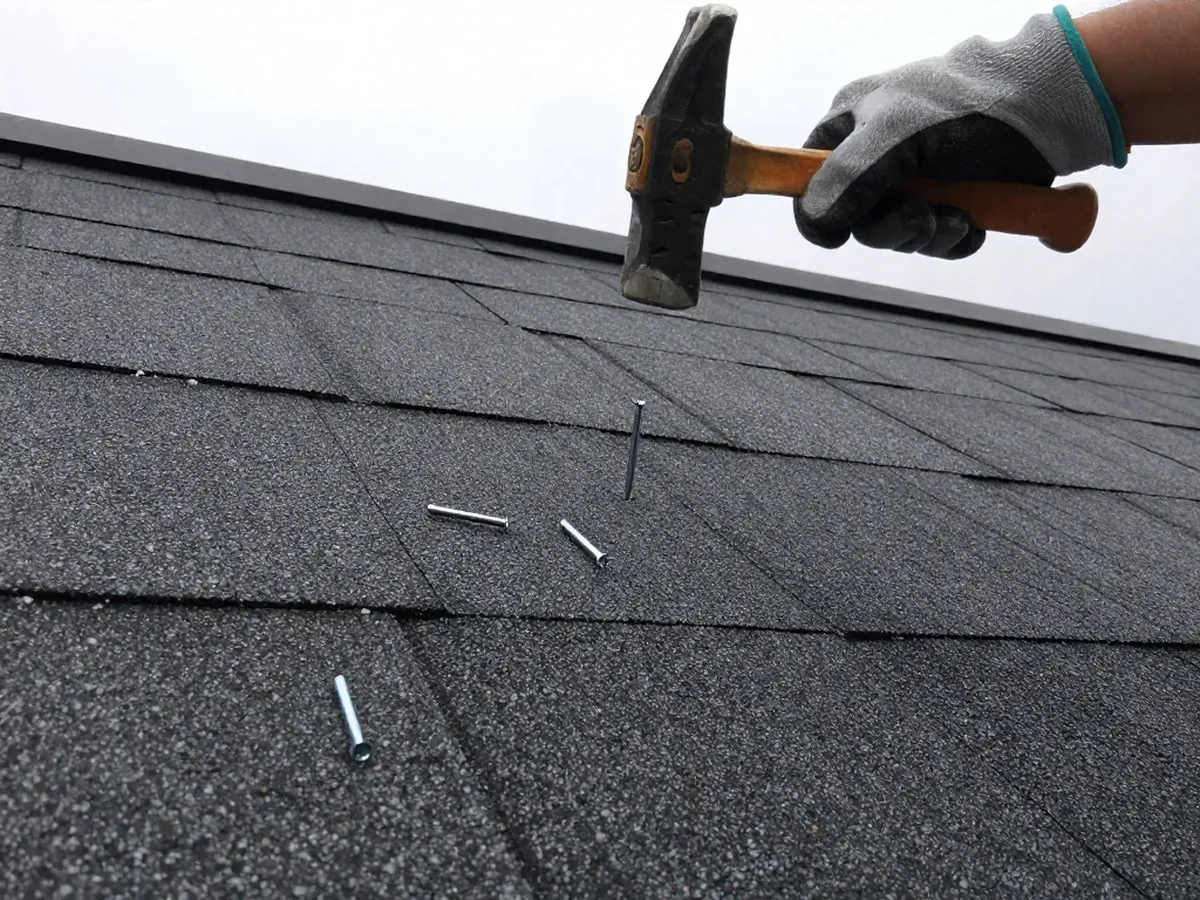
Reset the metal, or open up the wall?
The smaller job is resetting or resealing the metal at one joint. The larger one is the retrofit the Building America guide describes: siding off, flashing out, new membrane and metal in. That guide says retrofits usually ride along with a roof replacement or a wall upgrade, and FEMA's shingle sheet asks installers to take particular care with flashing at any roof-to-wall joint.
A roof inspection decides which job a given dormer calls for, and roof replacement is where the bigger version usually lands.
Other jobs on the list
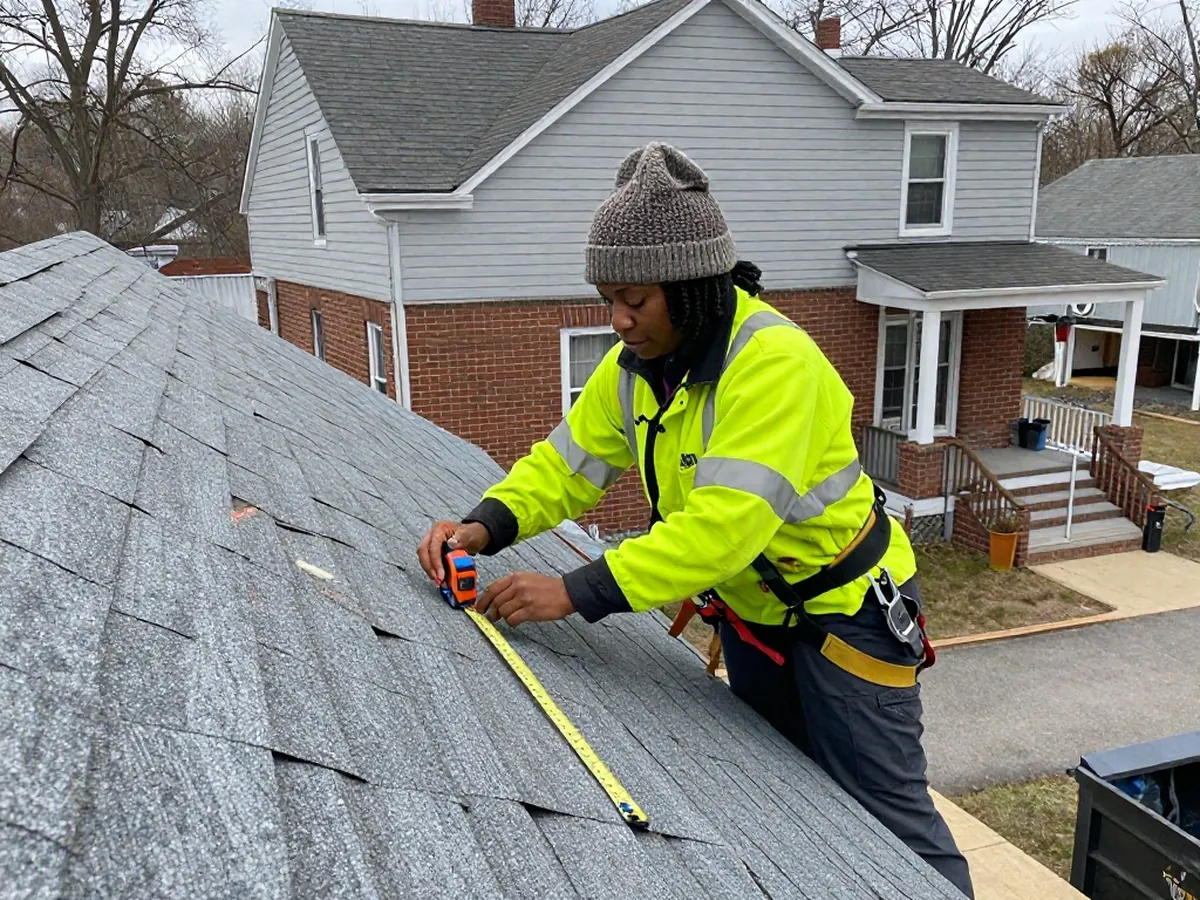
A full roof covering, start to finish, near Lyndhurst
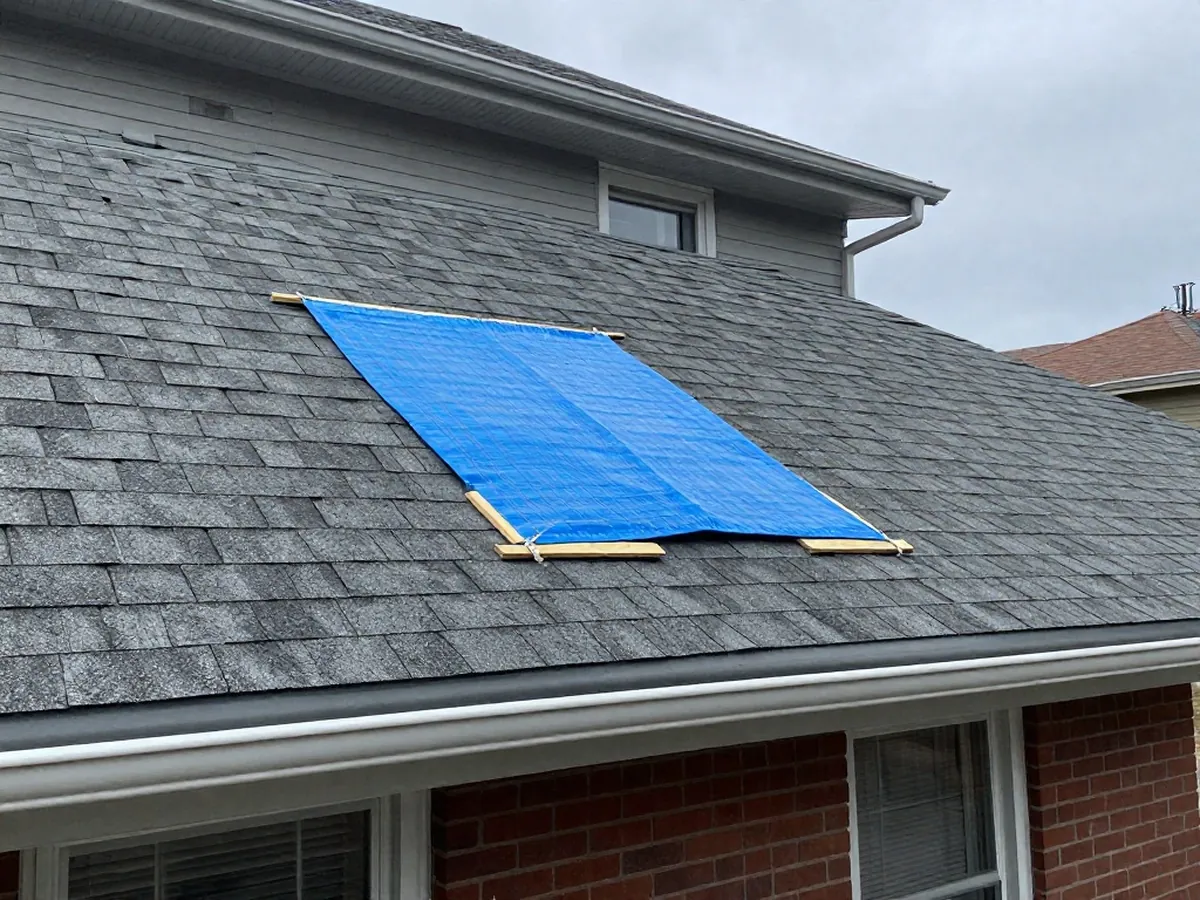
Wind, falling limbs and downpours near Lyndhurst
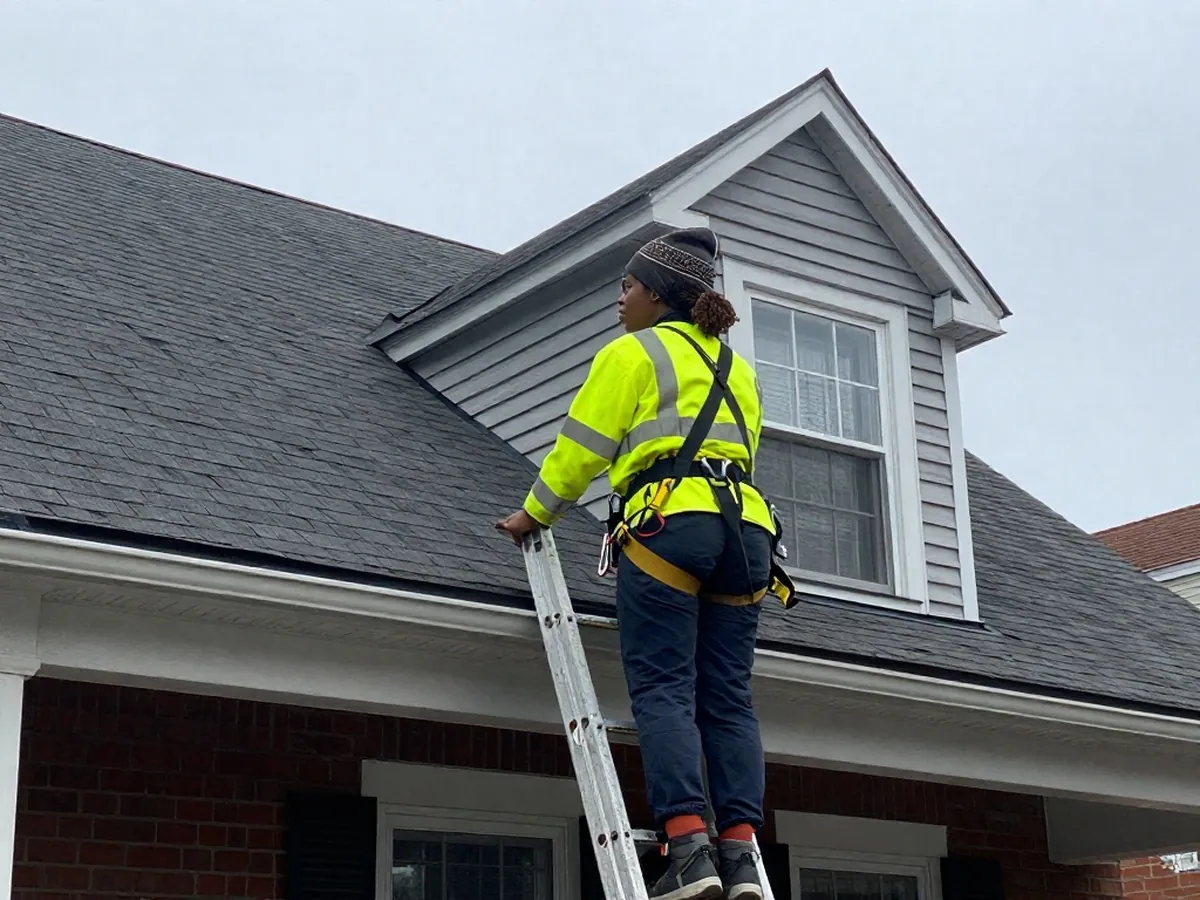
A closer look at the roof, from the ground up
From
- Building America Solution Center (U.S. DOE), Flashing of roof-wall intersections in existing homes
- FEMA, Home Builder's Guide to Coastal Construction, Technical Fact Sheet No. 7.3, Asphalt Shingle Roofing for High-Wind Regions
- U.S. Department of Energy, Repairing Roofs and Ceilings technical brief (Jan 2006)
- Asphalt Roofing Manufacturers Association, Assessing roof damage after Superstorm Sandy (7 Nov 2012)
- PSE&G, Downed Power Line Safety
- NJ Department of Community Affairs, Significant changes to minor work and ordinary maintenance (alert, 5 Mar 2018)
Checked 1 Nov 2026